

Electrical work combines practical problem-solving with tools, technical learning, and responsibility for safe results. Use this U.S. overview to picture the work and decide what to investigate next. You do not need previous electrical experience to start exploring.
Need to keep earning? Start with paid apprenticeships. They combine a job with training, but applying is not the same as having a confirmed start date. Before leaving your current job, get the starting wage, employment start date, class schedule, and costs from the employer or program. Browse electrical apprenticeships.
What does a working day involve?
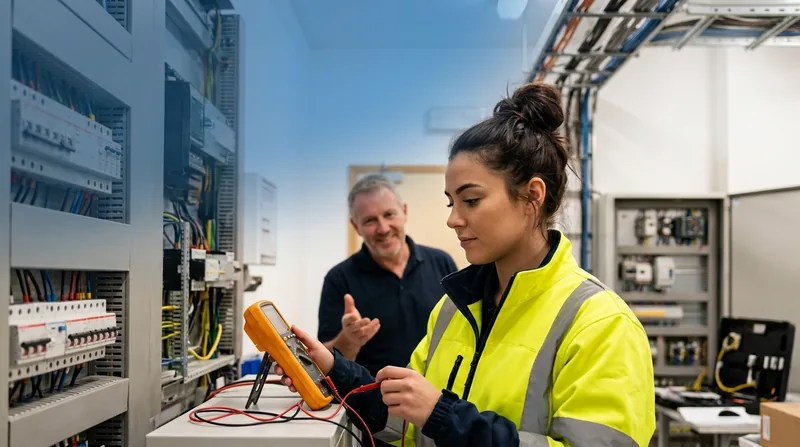
Electricians install, maintain, and repair wiring, lighting, power, and control systems. Work can involve reading plans, measuring and installing wiring routes, using tools and test equipment, finding faults, and checking completed work. New construction and repairs to existing systems present different problems; some jobs involve crews, others more independent work. BLS: duties.
Ask yourself: Do I enjoy understanding why something is not working? Would I like learning technical ideas and applying them carefully? How do I feel about checking details even when a task becomes familiar? These are reflection questions, not an aptitude test.
Can I earn while learning—and how long does it take?
Registered Apprenticeship combines paid work with mentoring, classroom instruction, and wage increases as skills develop. Apply through an employer or program sponsor. Department of Labor: becoming an apprentice.
BLS describes a typical electrician apprenticeship as four or five years, usually including about 2,000 hours of paid work per year plus technical instruction. That is training time after entry, not a promise about how soon an applicant will be hired. Programs and local requirements differ. Completing training is also distinct from satisfying the licensing requirements where you intend to work. BLS: training.
Before choosing a route, ask:
- First paycheck: Is there an actual job offer? When does paid employment begin, and how many hours should I budget for?
- Pay progression: What is the starting hourly wage? What must I complete to earn each increase?
- Upfront and ongoing costs: Who pays for tuition, books, tools, protective equipment, application fees, and transport? What must I pay before starting?
- Time outside work: When and where are classes? Is class time paid? What study time should I allow?
- Recognition: Is this a registered apprenticeship? How does this exact training count toward the requirements in my location?
Build your transition budget from the written answers: household expenses plus training and travel costs, compared with expected take-home pay. Avoid relying on overtime to make the basic budget work.
Some electricians begin at a technical school. If that route appeals to you, ask about total cost, class schedules, and whether a named apprenticeship will accept credit for that particular program. Compare apprenticeships and trade schools, or browse schools. School enrollment alone is not a paid job offer.
What could I earn?
As a beginner: apprentices generally earn less than fully trained electricians, with increases as they learn. Use the specific program's wage schedule for your budget; this overview does not supply a national apprentice starting rate.
Across the occupation: BLS reports a U.S. median of $63,190 a year ($30.38 an hour) for May 2025. Half of workers earned more and half less. The lowest tenth earned under $42,640 annually; the highest tenth earned over $108,510. These are wage-distribution figures, not apprentice, journey-worker, and senior pay bands, and they exclude self-employed earnings. BLS: pay and definitions.
For an experienced role, compare actual local offers: base wage, likely hours, benefits, travel costs, and living costs. A higher hourly rate alone does not answer whether a move would leave you better off. Explore electrician salary information by location; check each page's data year before comparing figures.
What are the physical demands and risks?
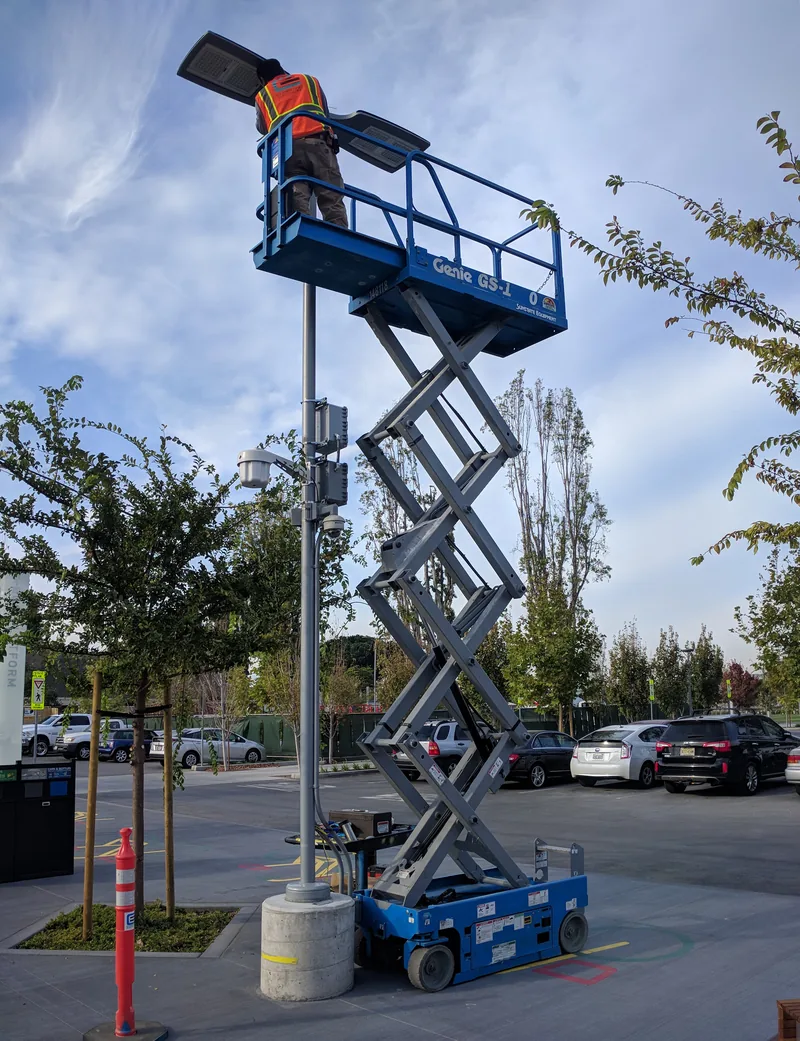
Expect work that may include prolonged standing, kneeling, bending, lifting, ladders, cramped spaces, and heights. Jobs can expose workers to dust, noise, outdoor temperatures, and bad weather. Electrical shocks, burns, and falls are real hazards; some accidents can be fatal. BLS: working conditions; O*NET: tasks and work context.
Ask a provider or employer about the actual tasks, supervision, safety training, protective equipment, and available accommodations. A job title alone cannot establish whether its demands are workable for you. Explore through conversations, tours, or qualified instructor-led activities; you do not need to experiment with wiring or energized equipment to decide whether this interests you.
What about schedules and travel?
Most electricians work full time. Evening and weekend work can be part of the schedule, and overtime is common. Travel between worksites can mean local or long-distance commuting; construction and scheduled maintenance can involve overtime. BLS: schedules.
Ask for the usual start and finish times, travel area, notice for schedule changes, overnight requirements, and any on-call duties. Include classes and the commute when considering childcare or other commitments.
A few common paths within electrical work
These are examples of work settings to explore, not separate qualifications or promises about pay and hours. BLS describes work in homes, businesses, factories, and construction, including installation and maintenance. BLS: electrician work.
Residential installation and service
Explore wiring and electrical repairs in homes. Ask how much of the job is new construction versus work in existing homes, how much customer contact it involves, and whether you would travel between appointments. Consider whether you enjoy practical work alongside explaining problems to people.
Commercial construction
Explore electrical installation in business buildings and construction projects. Ask about crew size, coordination with other trades, project locations, and where you would go when a project ends. Consider whether you like following plans and contributing to a larger build.
Industrial maintenance
Explore maintaining and troubleshooting electrical equipment and controls in factories. Ask which equipment you would learn, whether the role is at one facility, and how shifts and scheduled shutdowns affect hours. Consider whether investigating recurring equipment problems interests you.
Take one useful next step
Write down one part of the work that appeals to you, one practical constraint, and one question you need answered. Then choose your location and explore training. If income is the deciding factor, start by asking an apprenticeship program for its wage schedule, costs, and next actual employment start.
For more detail, read how to become an electrician or explore educational videos.
Sources checked September 12, 2026. Wage figures describe May 2025; individual programs, employers, and local requirements need their own checks.