

Understand the occupation first
Electricians install, maintain, and repair electrical power, communications, lighting, and control systems. The work can include reading blueprints, installing and inspecting wiring and equipment, testing for problems, making repairs, and following state and local building rules based on the National Electrical Code.
The job is physical and safety-critical. BLS notes that electricians may work indoors or outdoors, travel between worksites, work in cramped spaces or at height, and face hazards such as shock, falls, and burns. Before choosing the trade, look for a supervised opportunity to learn what the daily work is actually like.
Meet the common education starting point
BLS identifies a high school diploma or equivalent as the typical entry-level education. Mathematics, electrical theory, and blueprint reading are useful preparation because BLS includes them in apprenticeship technical instruction.
Do not assume a college degree is required. Check the current prerequisites set by each employer, school, apprenticeship sponsor, and licensing authority.
Compare apprenticeship and technical school
Most electricians learn through apprenticeship, while some begin at a technical school. A Registered Apprenticeship provides paid work experience with a mentor, progressive wage increases, classroom instruction, and a portable, nationally recognized credential. Applicants apply to an employer or program sponsor.
BLS describes the common electrician apprenticeship as four or five years, with paid on-the-job training and technical instruction. Requirements vary by state and locality; verify the exact occupation, geographic work area, wage schedule, supervision, classroom provider, and completion credential for the specific sponsor.
Technical school can provide structured study in circuitry, safety, and basic electrical information. BLS says graduates usually receive credit toward apprenticeship. Before enrolling, ask employers, sponsors, and the licensing authority what coursework or credit they recognize.
Apply to verified opportunities
Search Apprenticeship.gov, state apprenticeship agencies, union-management committees, contractor associations, electrical employers, and public technical colleges. Apply to more than one credible route when possible.
For an apprenticeship, ask whether it is registered, which occupation it covers, how selection works, and how wages progress. For a school, ask for the exact credential, total cost, refund policy, lab hours, completion rate, placement methodology, and written evidence that employers or sponsors recognize the program.
Build documented field experience
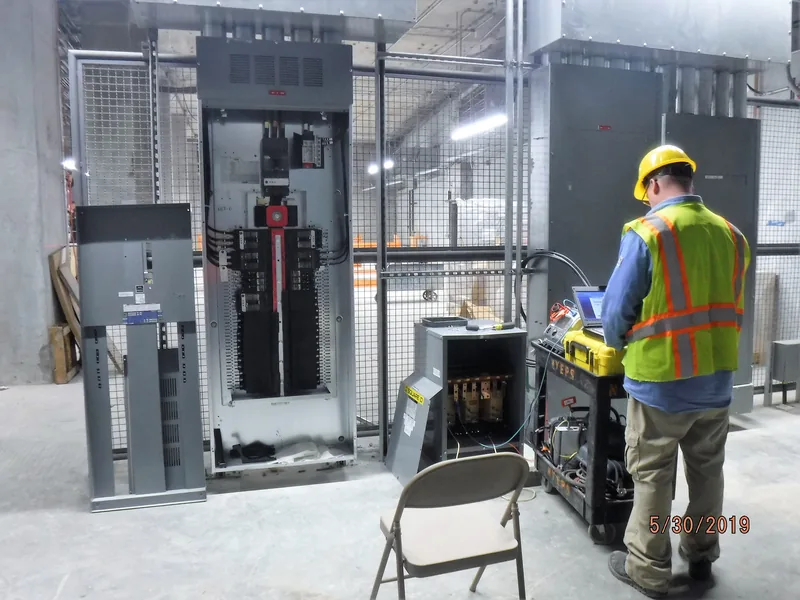
During training, keep copies of registration records, classroom transcripts, employer dates, supervisor information, work classifications, and any experience affidavits required by the licensing authority. Do not wait until an examination application to reconstruct years of work.
BLS says apprenticeship instruction commonly includes electrical theory, blueprint reading, mathematics, code requirements, safety, and first aid. Treat each part as connected: theory explains the circuit, prints describe the installation, code sets requirements, and supervised practice develops safe execution.
Research licensing before you need it
BLS says most states require electricians to pass a test and be licensed, and requirements vary by state. Some rules are local. Identify the authority for the place and scope of work, then confirm worker registration, experience, education, examination, fees, renewal, and continuing-education requirements.
Keep worker credentials separate from contractor or business authority. A credential allowing an individual to perform work does not necessarily answer who may offer services, sign contracts, obtain permits, or operate a company. Ask those questions separately.
Study the adopted code edition
NFPA publishes NFPA 70, the National Electrical Code, and describes it as the benchmark for safe electrical design, installation, and inspection. NFPA lists 2026 as the current edition, but its enforcement map shows states enforcing older editions, many with amendments, and some cities enforce locally amended codes.
Study the edition named by the licensing authority, inspector, school, sponsor, or candidate bulletin. Learn to navigate definitions, general rules, later chapters, tables, and cross-references instead of memorizing disconnected answers. NFPA offers free, read-only online access to NEC editions after you sign in to an NFPA account and accept its terms.
Prepare for the real working conditions
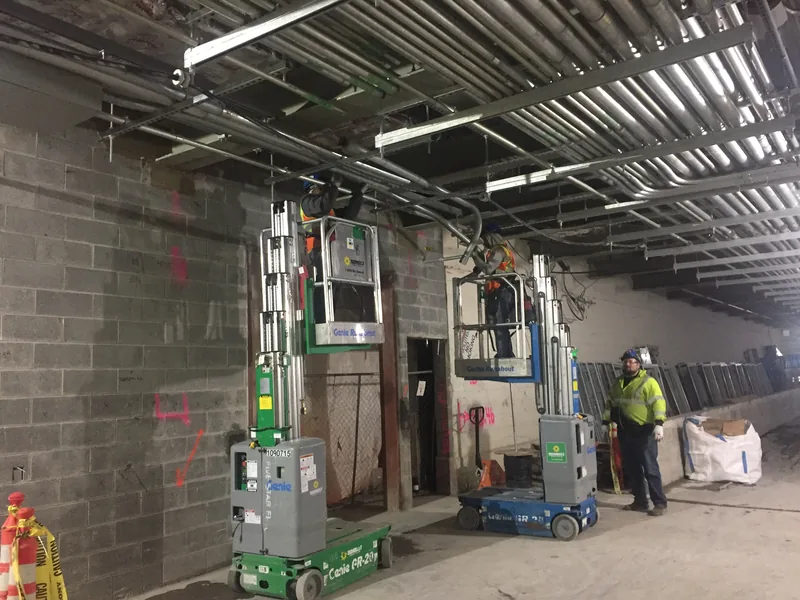
Electricians need troubleshooting, critical-thinking, customer-service, physical stamina, and color-vision skills. Work schedules may include evenings, weekends, overtime, travel, and changing job sites. Ask employers how safety training, personal protective equipment, supervision, and stop-work authority operate in practice.
OSHA publishes electrical standards for covered workplaces, and OSHA-approved State Plans may have different or more stringent requirements. Training material is not permission to perform work beyond your role, qualification, or supervision.
Move forward one verified step at a time
A practical sequence is:
- Identify the work and jurisdiction you are targeting.
- Check the prerequisites for employers, sponsors, schools, and licensing authorities.
- Compare verified apprenticeship and technical-school options.
- Enter supervised training and preserve your records.
- Complete the required education, experience, and examination steps.
- Maintain the credential and continue learning as codes, equipment, and work responsibilities change.
BLS projects electrician employment to grow 9 percent from 2025 to 2035, but a national projection is not a local job guarantee. Base your next move on current openings, recognized training, and the rules that apply where you intend to work.