

Start with the difference that matters
An apprenticeship is a job-based training route. A technical-school route begins with coursework that can prepare you for entry-level work or an apprenticeship. The two routes are not interchangeable promises of a license. Compare what employers, apprenticeship sponsors, and licensing authorities recognize where you plan to work.
The U.S. Bureau of Labor Statistics says most electricians learn through an apprenticeship, while some begin at a technical school. It also notes that technical-school programs commonly cover circuitry, safety practices, and basic electrical information, and that graduates usually receive credit toward an apprenticeship. Before paying tuition, ask the apprenticeship sponsor whether it will grant advanced standing for the program.
What a registered apprenticeship includes
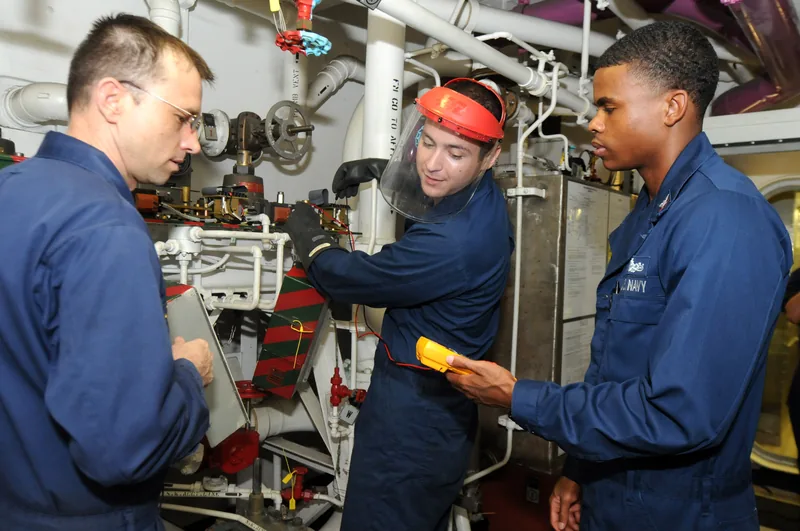
A Registered Apprenticeship combines paid work experience with a mentor, progressive wage increases, classroom instruction, and a portable, nationally recognized credential. Opportunities are offered by employers or program sponsors, and applicants apply to the employer or sponsor rather than enrolling through a single national admissions office.
For electricians, BLS describes the common apprenticeship as four or five years. Apprentices typically receive paid on-the-job training and technical instruction in subjects such as electrical theory, blueprint reading, mathematics, electrical-code requirements, safety, and first aid. Requirements vary by state and locality; verify the details of the specific sponsor’s program.
Compare the actual sponsor, occupation, work area, wage progression, classroom provider, and completion credential—not just the word “apprenticeship.”
What technical school can provide
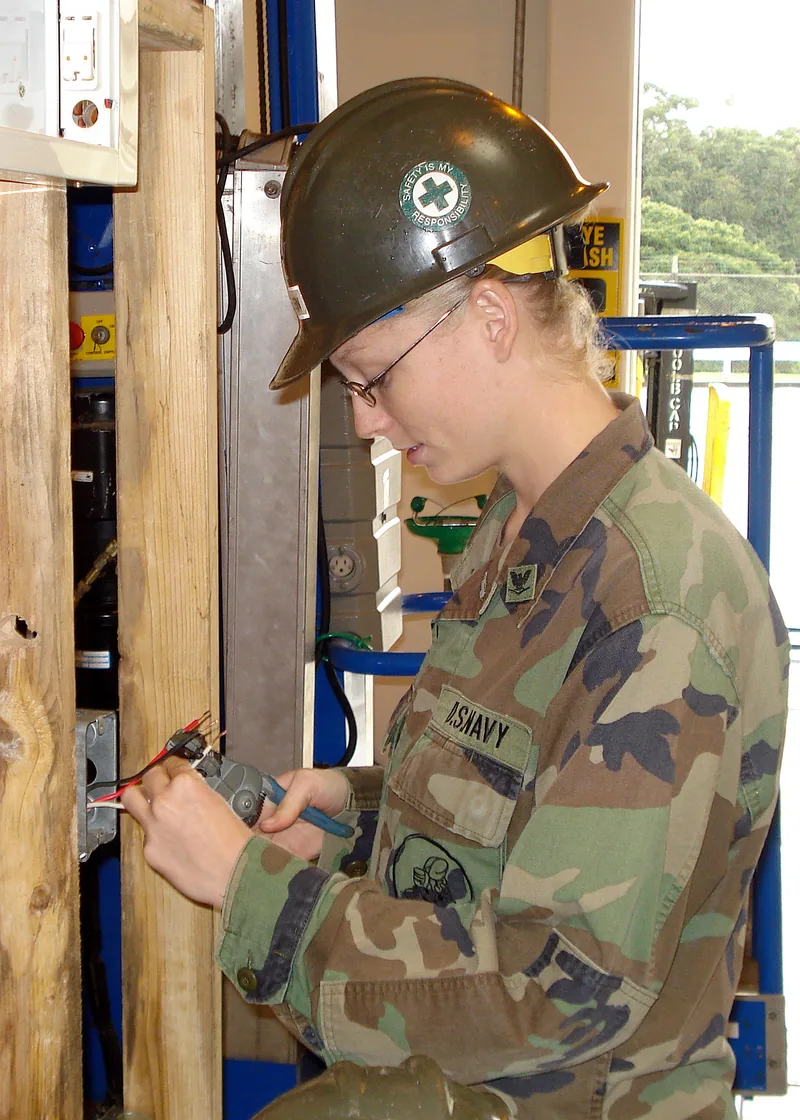
BLS says many technical schools offer programs covering circuitry, safety practices, and basic electrical information.
Before enrolling, ask the school to identify the exact credential awarded, total tuition and fees, refund policy, instructional format, and employer relationships. Ask the apprenticeship sponsor or licensing authority what, if any, coursework or credit it recognizes.
Write each answer beside the name of the organization that supplied it. If a school, sponsor, employer, and licensing authority give different answers, pause before enrolling and ask for the current written rule or agreement that resolves the difference.
Compare the full cost and timeline
Do not compare tuition with an apprentice’s starting wage and stop there. Build two complete estimates:
- Apprenticeship: application costs, tools, travel, dues or fees, unpaid class time if any, starting wage, scheduled increases, benefits, and the time until completion.
- Technical school: tuition, books, tools, transportation, financing costs, time away from work, program completion, and the additional field experience likely to follow.
A lower sticker price is not automatically the better route if it delays entry into recognized training. A higher-priced program is not automatically better because it is faster or advertises employer connections. Use written terms and independently verify transfer credit, placement claims, and licensing relevance.
Check recognition before committing
Ask an apprenticeship sponsor whether the program is registered and which occupation and credential it covers. Ask a school which agency licenses or approves the school, but do not confuse institutional approval with acceptance of a particular electrical program by an employer, sponsor, or licensing board.
Then check the authority that governs electrical work where you expect to work. BLS notes that most states require electricians to be licensed and that requirements vary by state. Local rules may also matter. Confirm whether you need trainee registration, documented experience, classroom hours, an examination, or a specific sequence before independent work.
A practical decision rule
Choose an apprenticeship when you have a credible offer whose work, instruction, wage progression, supervision, and completion credential match your goal. Choose technical school when the program has a clear curriculum and cost, gives you useful preparation, and has verified value with the employers or sponsors you intend to approach.
If neither route is verified, keep researching. Apply to multiple apprenticeship sponsors, speak with local electrical employers, compare public technical colleges with private schools, and ask each organization the same written questions. The strongest path is the one whose training, experience, and credential fit together in the jurisdiction where you plan to work.