

Begin with the authority, not the job title
BLS says most states require electricians to pass a test and be licensed, but requirements vary by state. After completing an apprenticeship, journey workers may perform duties on their own subject to state or local licensing requirements.
Start by identifying the government authority for the exact place and work you are researching. Consult its statutes, rules, application forms, candidate bulletins, and adopted-code notices. Use a national summary to develop questions, then verify the answers with the authority.
Separate worker credentials from business authority
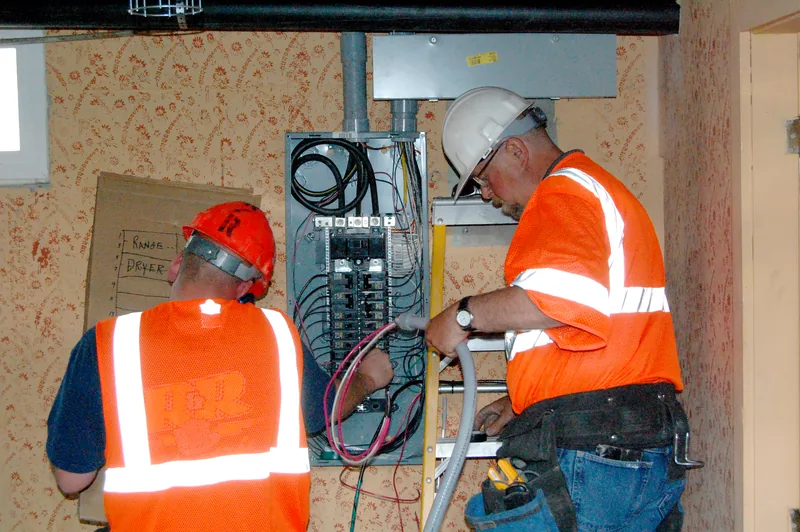
Research individual-worker credentials separately from any contractor or business requirements. Record the issuing authority and scope for each item instead of combining them under one job title.
Record the issuing authority beside every requirement so that hours, examinations, fees, and scope from different systems are not accidentally combined.
Map the pathway in order
A useful licensing worksheet has one row for each credential and these columns:
- issuing authority and geographic scope;
- work the credential covers;
- required supervision or responsible person;
- prerequisite registration, education, and experience;
- examination and code edition;
- application documents and fees;
- renewal cycle and continuing education;
- reciprocity or endorsement route, if the authority offers one;
- separate contractor or business requirements.
BLS describes a common route in which electricians learn through apprenticeship, complete technical instruction, and later perform journey-level duties subject to state or local licensing requirements. That occupational pattern is useful orientation, not a substitute for the sequence established by your authority.
Verify experience before counting it
Do not assume every hour of electrical work counts the same way. Ask which tasks, employers, supervisors, dates, and records the authority accepts, then follow its current documentation instructions.
If you attended technical school, ask whether coursework substitutes for any experience or supports admission to an apprenticeship. BLS says technical-school graduates usually receive apprenticeship credit; ask the sponsor or licensing authority what, if any, credit it recognizes.
Confirm the examination contract
BLS notes that electrician licensing tests may cover the National Electrical Code along with state and local electrical codes. Confirm the exam administrator, candidate bulletin, content outline, adopted code edition, local amendments, reference policy, calculator policy, passing standard, retake rules, and application eligibility before scheduling.
NFPA lists 2026 as the current NEC edition, but its enforcement map shows states still enforcing editions as old as 2008, and some cities enforce locally amended codes. Study the edition named by the authority or candidate bulletin—not simply the newest book for sale.
Treat the NEC and local law correctly
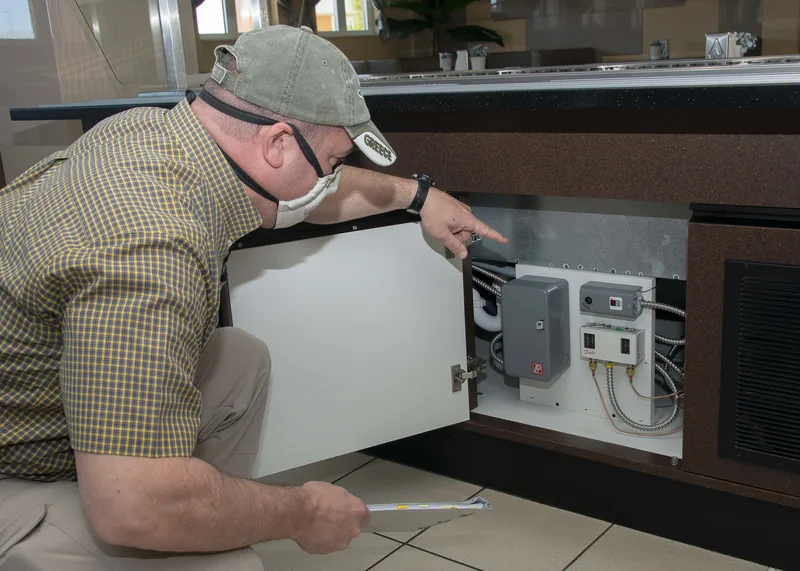
NFPA describes the NEC as the benchmark for safe electrical design, installation, and inspection. Its requirements apply where a government adopts them: NFPA’s enforcement map tracks the edition each state has adopted, and some states leave adoption to local governments. The controlling code for a project or exam may therefore differ by location and date.
Check permit and inspection requirements separately with the authority having jurisdiction.
Plan for renewal and changes
Before applying, record the renewal deadline, continuing-education subjects and providers, insurance or bond requirements if any, and how to report a change of address or responsible person. BLS notes that continuing education may be required and often concerns safety practices, code changes, or manufacturer training.
Do not rely on a reminder postcard or an old fee schedule. Recheck the authority’s current renewal page and forms before submitting payment. Keep copies of approvals, course certificates, experience records, and correspondence.
Use reciprocity carefully
If an authority publishes a reciprocity or endorsement route, read its current eligibility and application instructions.
If no route is published, do not infer one from similar license names. Apply under the ordinary pathway or ask the authority for written guidance.
A reliable research sequence
- Identify the state and local authorities for the work location.
- Separate individual-worker and contractor/business credentials.
- Download the current application, rules, and candidate bulletin.
- Confirm experience, education, examination, code edition, and document requirements.
- Verify fees and action links immediately before applying.
- Save evidence of submission and track renewal obligations.
Recheck the responsible authority whenever you change location, work scope, employer role, or business structure.